
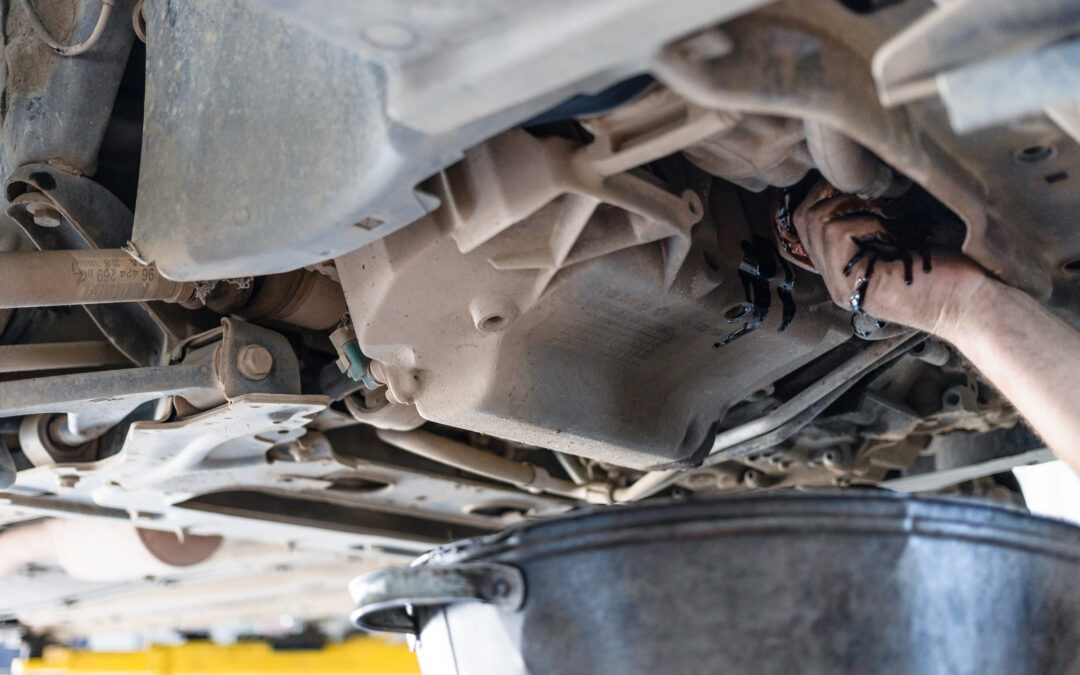
Finding a puddle underneath your car can be concerning, especially when you don’t know where it came from. Some vehicle fluids, such as water from your air conditioning system, can be completely normal. Others may indicate a problem that needs immediate attention.
Knowing the difference can help you determine whether you’re dealing with routine condensation or a developing mechanical problem.
At Catlett’s Auto Service & Towing in Davidsonville, MD, we’ve helped Maryland drivers diagnose and repair automotive problems since 1976. If you’ve noticed fluid underneath your vehicle, here are some common possibilities and what they could mean.
Why You Should Pay Attention to Vehicle Leaks
Your car relies on several fluids to lubricate, cool, and operate important components. When a system develops a leak, the fluid level can eventually become too low for that system to function correctly.
Depending on the source, ignoring a leak could contribute to overheating, poor braking performance, transmission trouble, or engine damage.
The location, color, consistency, and smell of the fluid can sometimes provide useful clues.
1. Engine Oil Leaks
Engine oil is typically brown to black, although newer oil may have a lighter amber appearance.
You might find an oil leak underneath the engine area after the vehicle has been parked.
Potential causes can include:
- Aging gaskets or seals
- Oil pan problems
- Loose components
- Oil filter issues
Engine oil is essential for reducing friction between moving engine parts. If an oil leak causes the level to become too low, serious engine damage can occur.
2. Coolant Leaks
Depending on the vehicle and coolant type, engine coolant may appear green, orange, yellow, pink, or another color.
Coolant leaks may come from components such as:
- Radiator
- Hoses
- Water pump
- Coolant reservoir
- Cooling system connections
A coolant leak is especially important to address because low coolant can cause your engine to overheat.
If your temperature gauge begins climbing or you see steam coming from under the hood, safely stop driving and have the vehicle inspected.
3. Transmission Fluid Leaks
Transmission fluid is often red or reddish-brown, although its appearance varies depending on the vehicle and fluid condition.
A transmission fluid leak may be accompanied by symptoms such as:
- Delayed shifting
- Rough gear changes
- Transmission slipping
- Unusual noises
Your transmission is a complex and expensive vehicle component, so suspected leaks should be diagnosed promptly.
4. Brake Fluid Leaks
Brake fluid leaks require immediate attention because your braking system relies on hydraulic pressure to stop the vehicle.
Possible warning signs include:
- Soft or spongy brake pedal
- Brake warning light
- Reduced braking response
- Fluid near a wheel or underneath the vehicle
If your brakes feel different than normal, don’t continue driving simply to see whether the problem improves. Brake problems can create a serious safety risk.
5. Power Steering Fluid Leaks
Vehicles equipped with hydraulic power steering may develop fluid leaks within the steering system.
Symptoms can include:
- Difficulty turning the steering wheel
- Whining sounds while turning
- Fluid underneath the vehicle
- Changes in steering response
Having the problem inspected early may help prevent additional damage to steering components.
6. Water Under Your Car
Not every puddle means something is broken.
Clear, odorless water underneath your vehicle—particularly after running the air conditioner—is often normal condensation from the AC system.
However, if you aren’t sure what you’re seeing, having the vehicle inspected is the safest option.
Can You Drive a Car That Is Leaking Fluid?
That depends entirely on what is leaking and how severe the problem is.
Some leaks may allow you to safely reach a repair facility, while others can make the vehicle unsafe to drive.
Stop and seek professional assistance if you experience symptoms such as:
- Engine overheating
- Loss of braking performance
- Smoke or steam
- Significant steering problems
- Rapidly dropping fluid levels
- Major changes in vehicle performance
When in doubt, towing the vehicle can be much less expensive than continuing to drive and damaging a major component.
Prevent Leaks with Regular Vehicle Maintenance
Fluid leaks often begin small. Regular vehicle inspections can identify deteriorating hoses, seals, connections, and other components before a minor seep becomes a significant problem.
Routine maintenance also gives you an opportunity to check fluid levels and catch unexplained fluid loss.
Auto Repair and Towing in Davidsonville, MD
At Catlett’s Auto Service & Towing, we provide comprehensive automotive service and repair for cars, trucks, and other vehicles.
Our services include engine diagnostics, brake work, oil changes, vehicle maintenance, computer diagnostics, and Maryland State Inspections.
And when your vehicle isn’t safe to drive, Catlett’s offers 24/7 local and long-distance towing and roadside assistance, including tire changes, fuel delivery, lockout assistance, and dead battery services.
Have That Mystery Leak Checked Before It Gets Worse
A few drops underneath your car may be the first warning of a problem that becomes much more expensive later. Instead of guessing what the fluid is or repeatedly topping it off, have the source properly diagnosed.
For dependable auto repair in Davidsonville, MD, contact Catlett’s Auto Service & Towing. With roots in the community dating back to 1976, Catlett’s continues to provide honest service, competitive pricing, and quality workmanship to Maryland drivers.
Whether you need routine maintenance, help diagnosing a leak, or towing when your vehicle can’t safely make it to the shop, Catlett’s is ready to help keep you on the road.