
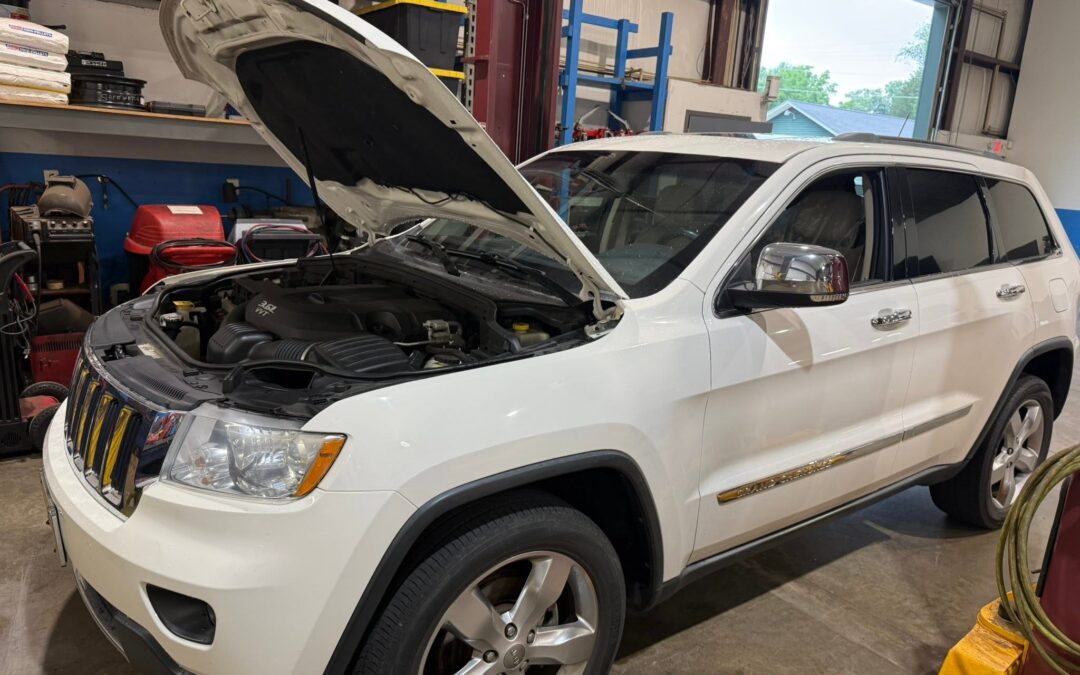
Have you ever gotten into your vehicle and noticed a strong gasoline smell, even though you haven’t recently filled up at the gas station? A fuel odor can be concerning, especially when it appears unexpectedly or continues while you’re driving.
While some gasoline smells have relatively simple explanations, others may indicate a fuel system problem that requires immediate attention. Because gasoline is highly flammable, persistent fuel odors should never be ignored.
At Catlett’s Auto Service & Towing in Davidsonville, MD, we’ve been helping Maryland drivers diagnose vehicle problems and maintain dependable cars and trucks since 1976. If you’re wondering why your car smells like gas, here are seven possible causes and what you should do next.
1. A Loose or Damaged Gas Cap
One of the simplest possible explanations for a gasoline smell is a loose, missing, or damaged gas cap.
Your gas cap helps seal the fuel system and prevent fuel vapors from escaping.
When the cap doesn’t seal correctly, you may notice:
- Gasoline odors near the rear of the vehicle
- Check engine light
- Fuel vapor smells after filling up
- An improperly fitting gas cap
If the smell appeared immediately after visiting a gas station, checking that the cap is securely installed is a reasonable first step.
However, if the smell continues or becomes stronger, the vehicle should be inspected.
2. A Fuel Line Leak
Fuel lines transport gasoline from the fuel tank to the engine.
Over time, fuel lines and connections can become damaged, corroded, or loose.
A leaking fuel line may cause:
- Strong gasoline odors
- Wet spots underneath the vehicle
- Reduced fuel efficiency
- Difficulty starting
- Visible fuel leakage
A suspected fuel leak is a serious fire hazard. If you notice liquid gasoline leaking or a strong, persistent fuel odor, shut off the engine when safe, avoid smoking or other ignition sources, and arrange professional assistance rather than continuing to drive.
3. Fuel Injector Problems
Fuel injectors deliver carefully measured amounts of gasoline into the engine.
When an injector seal fails or a fuel injector develops a problem, fuel may escape or be delivered incorrectly.
Potential symptoms include:
- Gasoline smell near the engine
- Rough idling
- Engine misfires
- Poor fuel economy
- Difficulty starting
Fuel injector issues should be professionally diagnosed because similar symptoms can be caused by several other engine problems.
4. A Problem with the EVAP System
Modern vehicles use an evaporative emissions control system, commonly called the EVAP system, to help prevent gasoline vapors from escaping into the atmosphere.
This system includes components such as:
- Vapor lines
- Charcoal canister
- Purge valve
- Vent valve
- Fuel tank seals
If a component becomes damaged or stops operating correctly, fuel vapors may escape.
An EVAP system problem can sometimes trigger the check engine light, even when the vehicle otherwise seems to drive normally.
Professional computer diagnostics can help identify the source of the issue.
5. A Damaged Fuel Tank
Your fuel tank is designed to safely contain gasoline during normal vehicle operation.
However, corrosion, road debris, physical damage, or deteriorating seals can sometimes cause leaks.
Possible warning signs include:
- Gasoline smell near the rear of the vehicle
- Fuel spots underneath the car
- Stronger odors after filling the tank
- Unexplained fuel loss
If you suspect your fuel tank is leaking, do not continue driving the vehicle.
6. Spilled Gasoline After Refueling
Not every gasoline smell indicates a mechanical failure.
Sometimes fuel may spill onto the exterior of the vehicle or nearby pavement while refueling.
A small spill can produce a noticeable odor that gradually disappears as the gasoline evaporates.
However, if the smell remains strong, enters the passenger compartment, or continues long after refueling, don’t assume a spill is the only cause.
7. Engine Running Too Rich
An engine that receives too much fuel relative to the amount of air entering the combustion process is described as running rich.
Depending on the cause, this can contribute to increased fuel consumption and a fuel-like smell from the exhaust.
Other symptoms may include:
- Poor gas mileage
- Rough idle
- Check engine light
- Reduced performance
- Dark exhaust smoke
Potential causes can involve sensors, fuel delivery components, or other engine management problems.
Proper diagnostics can help identify the issue before unnecessary parts are replaced.
Is It Safe to Drive a Car That Smells Like Gas?
A gasoline smell should always be treated seriously until the source is identified.
Gasoline vapors are flammable, and leaks can create dangerous conditions around hot engine components or electrical systems.
If you notice a strong gasoline smell, visible fuel leakage, or fuel odors inside the passenger cabin:
- Safely pull over and shut off the engine.
- Avoid smoking, open flames, and other ignition sources.
- Exit the vehicle and move to a safe location.
- Do not attempt to restart the vehicle if a fuel leak is suspected.
- Arrange professional towing or roadside assistance.
If there is an active fire or immediate danger, call emergency services.
Why Professional Fuel System Diagnostics Matter
Fuel system problems aren’t always easy to identify.
Several different components can produce similar symptoms, including fuel injectors, fuel lines, seals, vapor control systems, and engine sensors.
A professional automotive inspection can help determine whether the odor is caused by escaping gasoline, fuel vapors, or an engine performance problem.
Identifying the actual cause helps avoid unnecessary repairs and protects your vehicle from additional damage.
How to Help Prevent Fuel System Problems
While not every fuel leak can be prevented, regular vehicle maintenance provides opportunities to identify developing problems.
Consider these preventative steps:
- Address check engine lights promptly.
- Pay attention to unusual fuel odors.
- Inspect visible fuel system components during routine maintenance.
- Avoid ignoring unexplained drops in fuel economy.
- Schedule professional diagnostics when engine performance changes.
Catching a small problem early may help prevent a more serious repair or roadside emergency.
Auto Repair and Vehicle Diagnostics in Davidsonville, MD
If your vehicle smells like gasoline, don’t ignore the warning signs.
At Catlett’s Auto Service & Towing, we provide comprehensive automotive repair and maintenance services for drivers throughout Davidsonville and surrounding Maryland communities.
Our services include:
- Computer diagnostics
- Engine performance inspections
- General automotive repair
- Preventative maintenance
- Brake service
- Oil changes
- Cooling system service
- Maryland State Inspections
If your vehicle cannot be safely driven, Catlett’s also provides 24/7 towing and roadside assistance to help transport your vehicle to a repair facility.
Trust Catlett’s Auto Service & Towing
Since 1976, Catlett’s Auto Service & Towing has served Maryland drivers with dependable automotive service and a commitment to quality workmanship.
Whether you’re experiencing an unusual gasoline odor, a check engine light, or another vehicle performance problem, having the issue properly diagnosed is the first step toward getting back on the road safely.
Don’t Ignore a Gasoline Smell in Your Vehicle
A gasoline smell may be caused by something as simple as a loose gas cap, but it can also indicate a dangerous fuel leak or another mechanical problem.
Rather than guessing at the cause, have your vehicle professionally inspected.
For dependable auto repair and engine diagnostics in Davidsonville, MD, contact Catlett’s Auto Service & Towing.
Call 410-798-5446 to discuss your vehicle’s symptoms or arrange service.
With decades of experience serving Maryland drivers, Catlett’s is committed to keeping your vehicle safe, reliable, and ready for the road.